
By Jackson Stanfield (Student)
When it comes to studying the Bible, where should it occur? At church, in the classroom, in our homes, or alone looking at the sky?
As Christians, many of us would eagerly respond, “All of the above!” However, it is important to understand why each of these settings matters, and specifically, what college-level biblical education provides that complements our Sunday church experience.
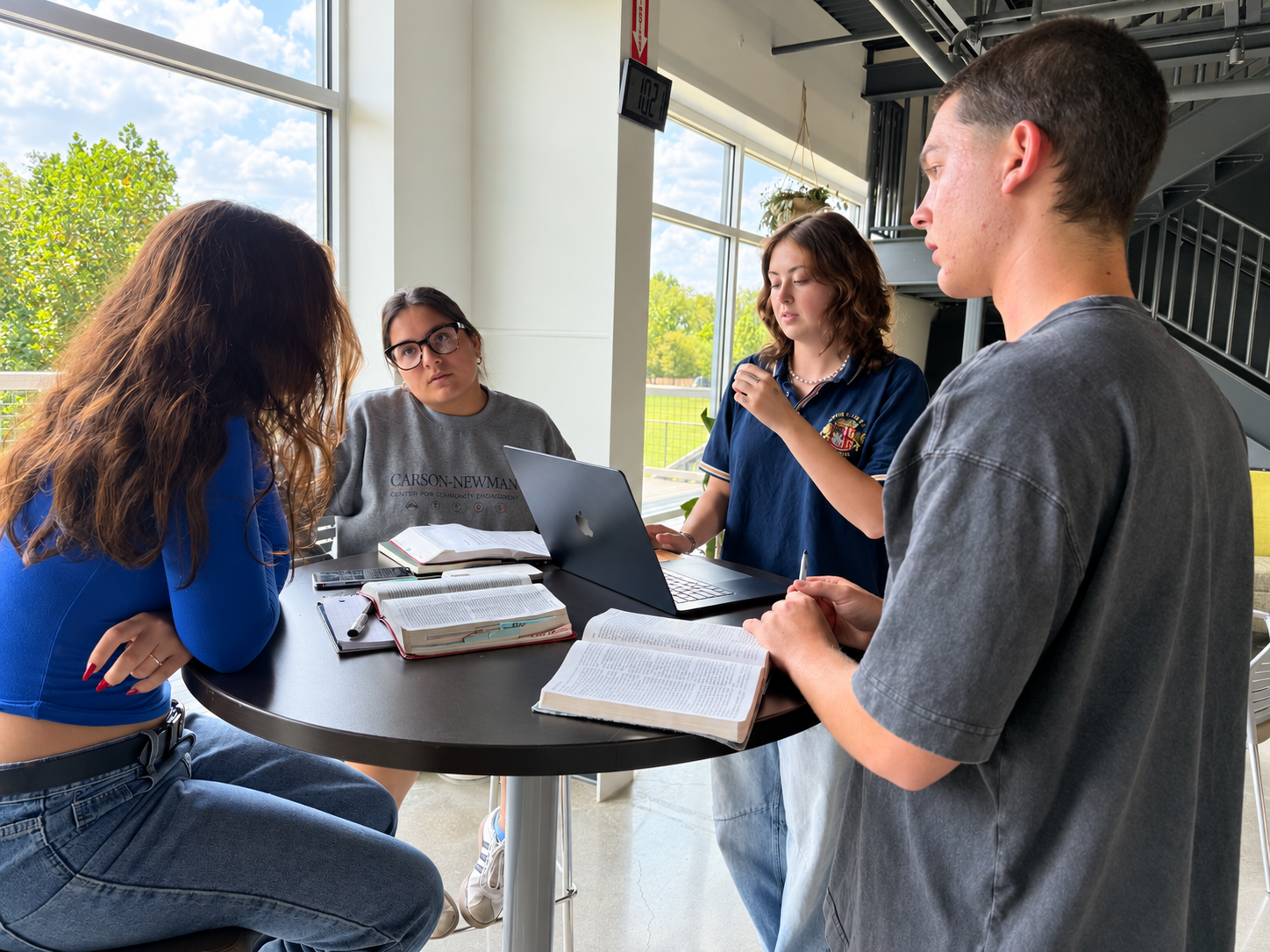
Active learning techniques help students participate in their education through discussions, debates, projects, and group work.
Biblical Education Makes Room for Questions and Discussion
In the context of classroom discussion, biblical education can spark healthy debate and capture the various perspectives of students, allowing for interpretive questions and answers to be either resolved by a professor or purposefully entertained for the sake of lively discussion.
In my Gospel of John class, for example, one of our most fascinating discussions pertained to John 3 and the question of whether Nicodemus was truly saved. This allowed me to think analytically about my previous opinion regarding John 3 within the context of a larger group discussion, which gave me more articulate ways of stating my perspective.
In addition, the classroom provides opportunities for contextual research and engagement with biblical scholarship, exposing students to numerous interpretive perspectives.
When Professor Reese teaches Isaiah and gives context for the exile and the Suffering Servant in passages like Isaiah 53, it gives me a deeper understanding of Scripture. As a student and a pursuer of Jesus Christ, I can take this knowledge into my prayer time and allow the Holy Spirit to use it to change the way I live. The passages discussed in the classroom become guides for me within my personal pursuit of the Lord.
And of course, gaining precious biblical knowledge in a classroom setting allows our minds to become sharper and less easily swayed by false doctrine when it appears.
One of the main goals of Israel's instruction in the Old Testament was to teach God's people the laws he had given them through Moses. The historical books are filled with examples of the Israelites rejecting or forgetting God's instruction, leading them into sin and judgment. In that sense, education is an essential tool within the context of our faith and has always been an important part of maturing as believers.
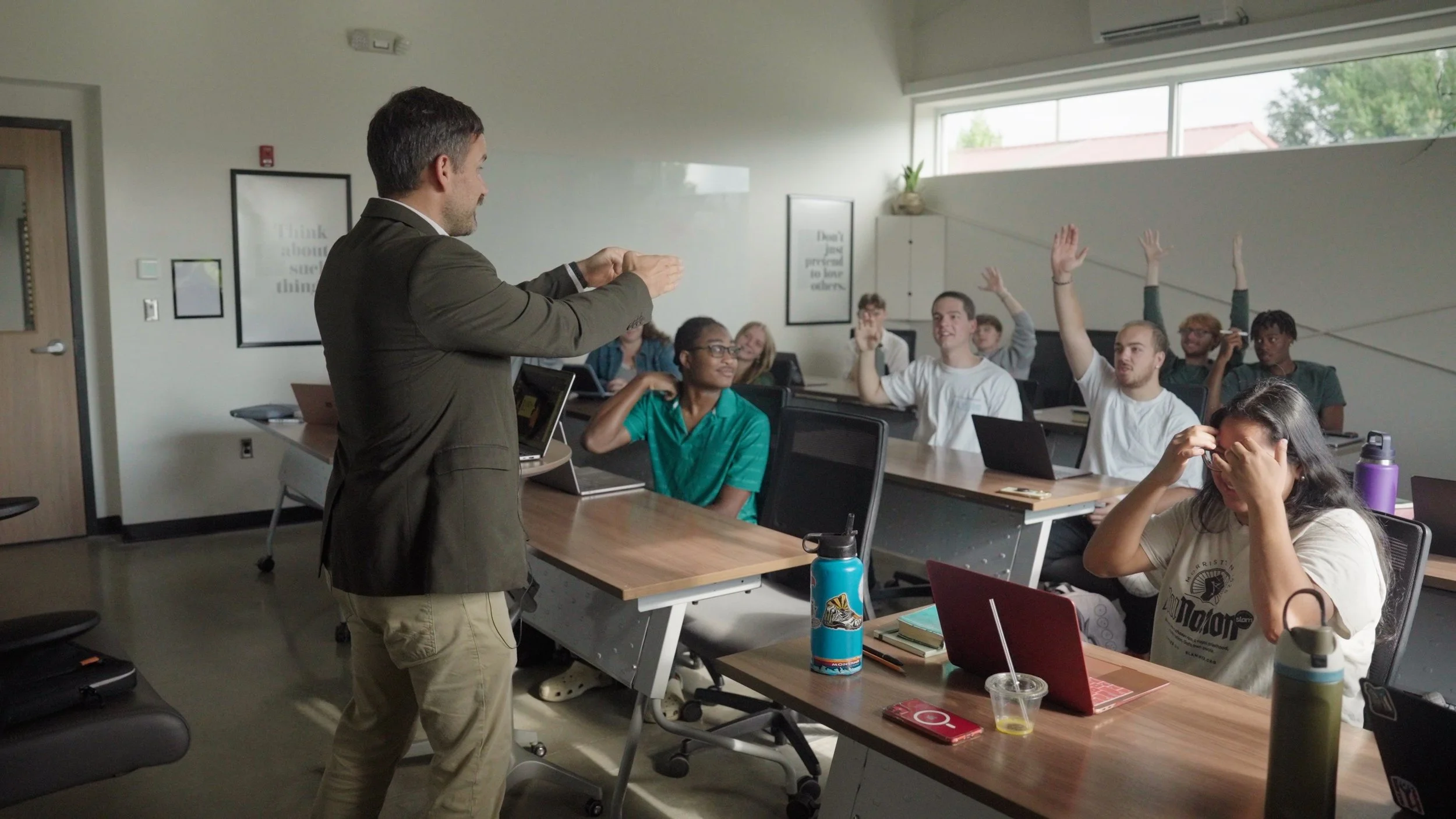
Professor Reese (left) engages students in an Isaiah workshop, Fall 2026.
How Bible College Classes Complement Sunday Sermons
Sermons provide an immense amount of value as encouragements, warnings, and admonishments. Classes, on the other hand, provide opportunities for engagement with the message of biblical passages and make room for back-and-forth conversation with professors and other students.
At Nashville Bible College, our courses are called “workshops” because they are centered on active-learning techniques, not simply lectures.
Sermons and classes serve different purposes, but they can complement each other, allowing for greater fruitfulness. Because of the active learning emphasized within the classroom, biblical study in this context provides opportunities that a Sunday service might not offer.
When a professor challenges you to think more broadly about how Scripture portrays a specific character, it can lead to thought-provoking research and questions that enrich your understanding of a sermon. Likewise, when a pastor challenges you to consider a particular virtue or lesson from Scripture, classroom study can provide historical and biblical context that deepens your understanding of the passage.
The professors and staff at Nashville Bible College do an excellent job of preparing our minds and hearts, not simply for a lesson, but for an experience with God that opens our minds and allows us to take what we learn into the church.
This influences the ways we interact with church members, the questions we raise with our pastors, and even the music we sing along with or select for the congregation.
Studying the Bible academically and learning it at church are not opposed to one another; in fact, they strengthen each other.
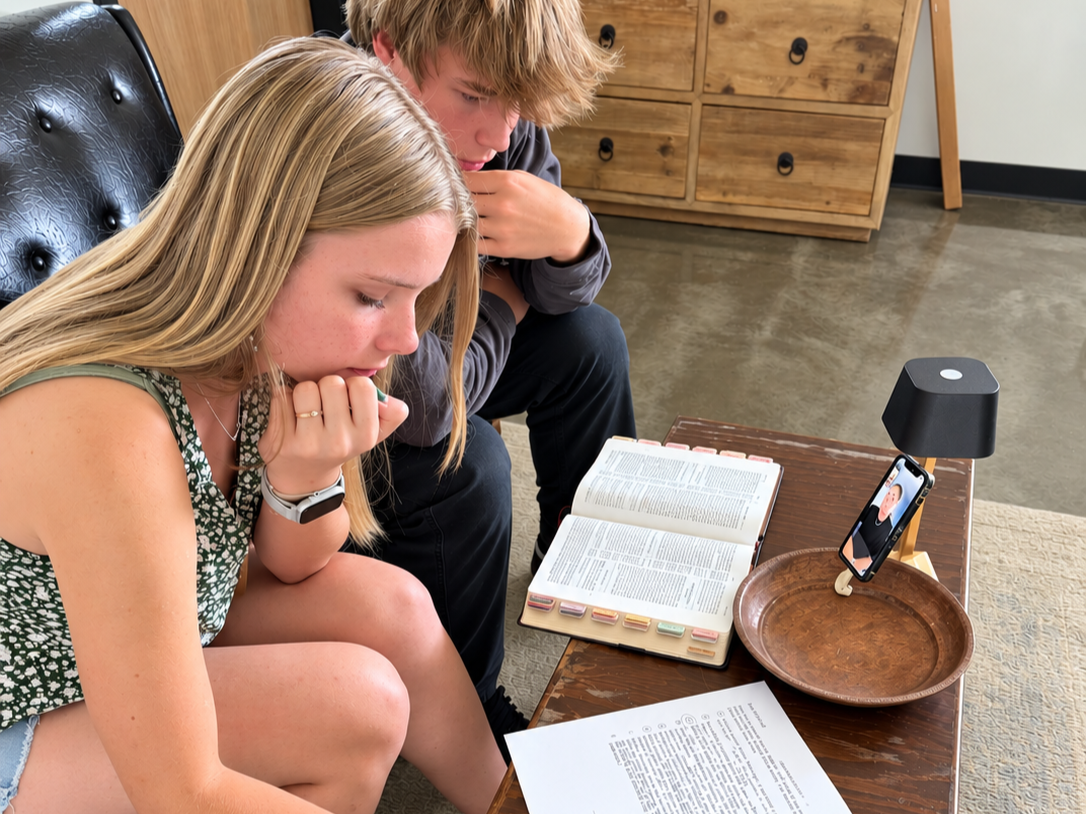
Students participate in group work on a specific passage before returning to discuss the passage together.
Taking Biblical Knowledge Beyond the Classroom
On a fundamental level, Nashville Bible College provides the opportunity for higher education to become a source of biblical knowledge, giving students an outlet to learn about their faith throughout the week. The motivation they receive from doing this work can translate into their careers, whether explicitly ministerial or not.
As NBC students work ProDev, explore Nashville, and attend church, they are given opportunities to share this biblical knowledge with bosses and friends.
Specifically within ProDev, managers will often ask questions about what you've learned, share their own experiences with studying these passages, and give you opportunities to express your opinions and knowledge.
In my own experience, talking to my head chef at the Mesa Moto food truck about the Pharisees' intellectual disconnect in the Gospel of John allows me to better process the Scriptures and continuously meditate on the things I learned throughout a busy week of classes.
These conversations remind me that biblical education doesn't end when class is dismissed. The knowledge we gain can influence our conversations, relationships, work, and participation in the local church.
Classroom study is the start, not the conclusion, of a life of learning.