A New Approach to College Mentorship
From the Desk of the President: Mentors, Light, and Salted Peanuts
A few weeks ago, one of our mentors, Kevin Andrews, lit some candles and set out bowls of salted and unsalted nuts before his group met. As they worked through Matthew 5:13–16, he pointed out that they gravitated toward the salted peanuts. He also noted that the students were drawn to the light of the candles and kept playing with them. They didn’t realize until he pointed it out how attracted they were to salt and light.
Kevin put it well: he hopes to find more ways to reinforce Scripture in ways that will stick with them long after the group time is finished.
That moment captures a lot of what we're hoping for in our mentorship program this year.

Taking from John Wesley’s “Class Meetings” format, groups are encouraged to share something together. Sometimes bread, sometimes tea, sometimes, salted and unsalted nuts.
Why Mentorship Matters at Nashville Bible College
Mentorship has always been a big part of communal and spiritual life at NBC. We've been blessed by our proximity to so many alumni and ministry friends who are willing and able to walk alongside young people on their journey toward Christlikeness. It's one of the things I'm most proud of about this college.
It matters for students, too. The Gallup-Purdue Index found that graduates who had a mentor during college were more engaged in their work and more likely to be thriving in their overall well-being. For Christians, that shouldn't be a surprise. Jesus' own approach to teaching was built on life-on-life discipleship.
Last year we sat down with students and mentors to ask what was working and what needed to change. Many students told us they had built wonderful relationships with mentors who encouraged them, prayed with them, and spurred them on toward love and good works. Others said it was hard to find time to meet, and the relationship never became what we hoped it would be.
So, this year we made some significant changes.
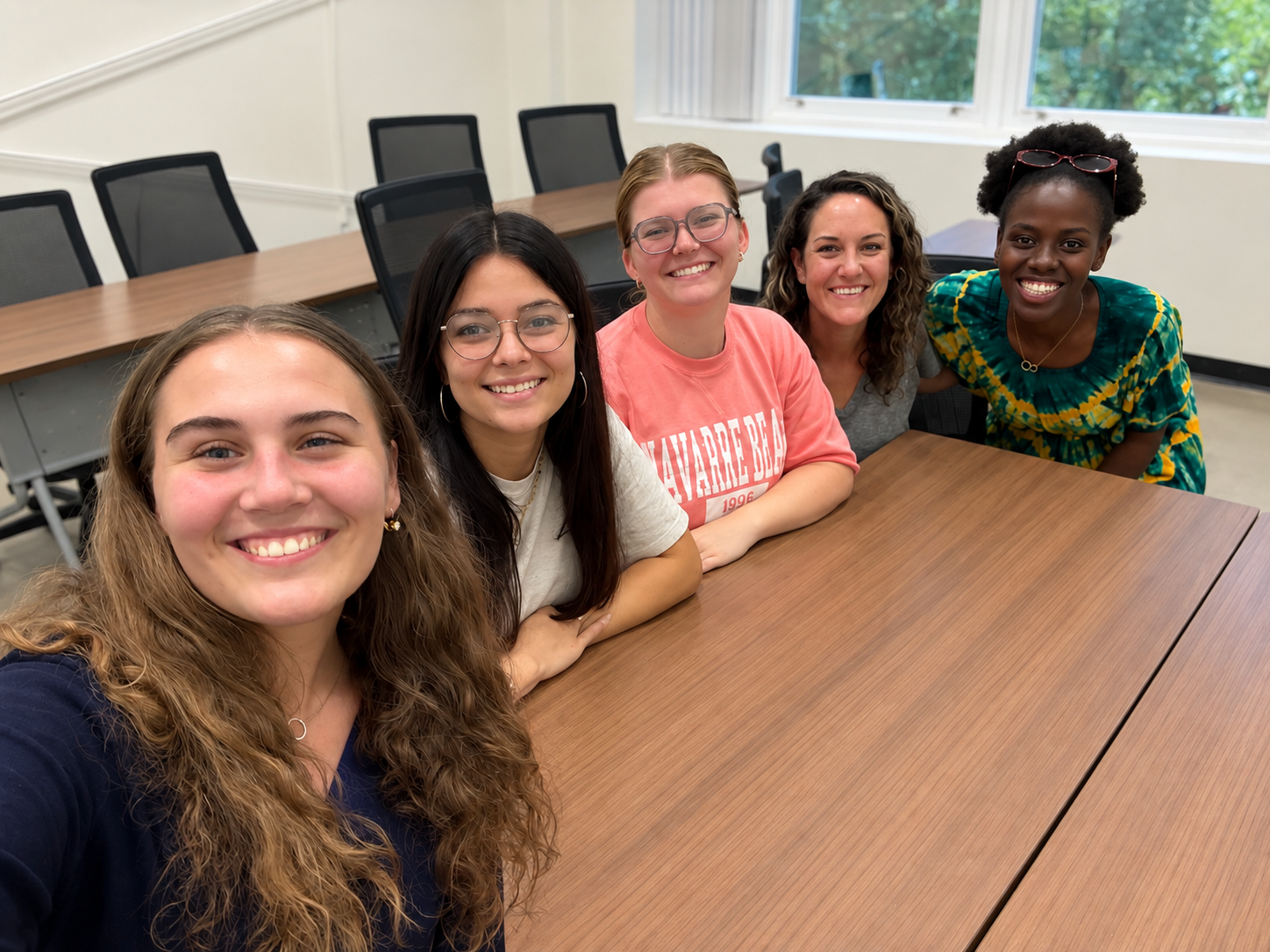
Stephanie Bartlett, second from right, leads a group of upperclassmen in her discipleship group. She notes that even in their first meeting, everyone left blessed by the time together after jumping into the new format.
A New Approach to College Mentorship
First, we moved from one-on-one pairings to small mentor groups, following the pattern Jesus modeled with his disciples. That also lets us work with a smaller team of mentors whom we can train and support more closely.
Second, we clarified the purpose. College students face plenty of practical challenges as they learn to be adults, and those matter, but these groups are set aside specifically for spiritual formation and discipleship.
Third, we gave the groups a rhythm.
Building a Rhythm of Scripture, Prayer, and Discipleship
Drawing on the Benedictine practice of lectio divina and the class meetings of John Wesley's early Methodists, each meeting follows the same pattern.
The group reads a psalm together. Then they read a passage slowly and prayerfully—this semester, the Sermon on the Mount—and spend time in silence letting the text speak to them.
Then each person, beginning with the mentor, shares where they have obeyed in their walk with Christ since the last meeting and where they have resisted. The meeting concludes with the mentors praying for each person in their group by name.
Mentors don't have to invent new curriculum every week, students know what to expect, and each meeting builds on the last. Most importantly, it creates a space where students can be honest about both their growth and their struggles with sin and ask for help from their mentor and their peers (James 5:13–16).
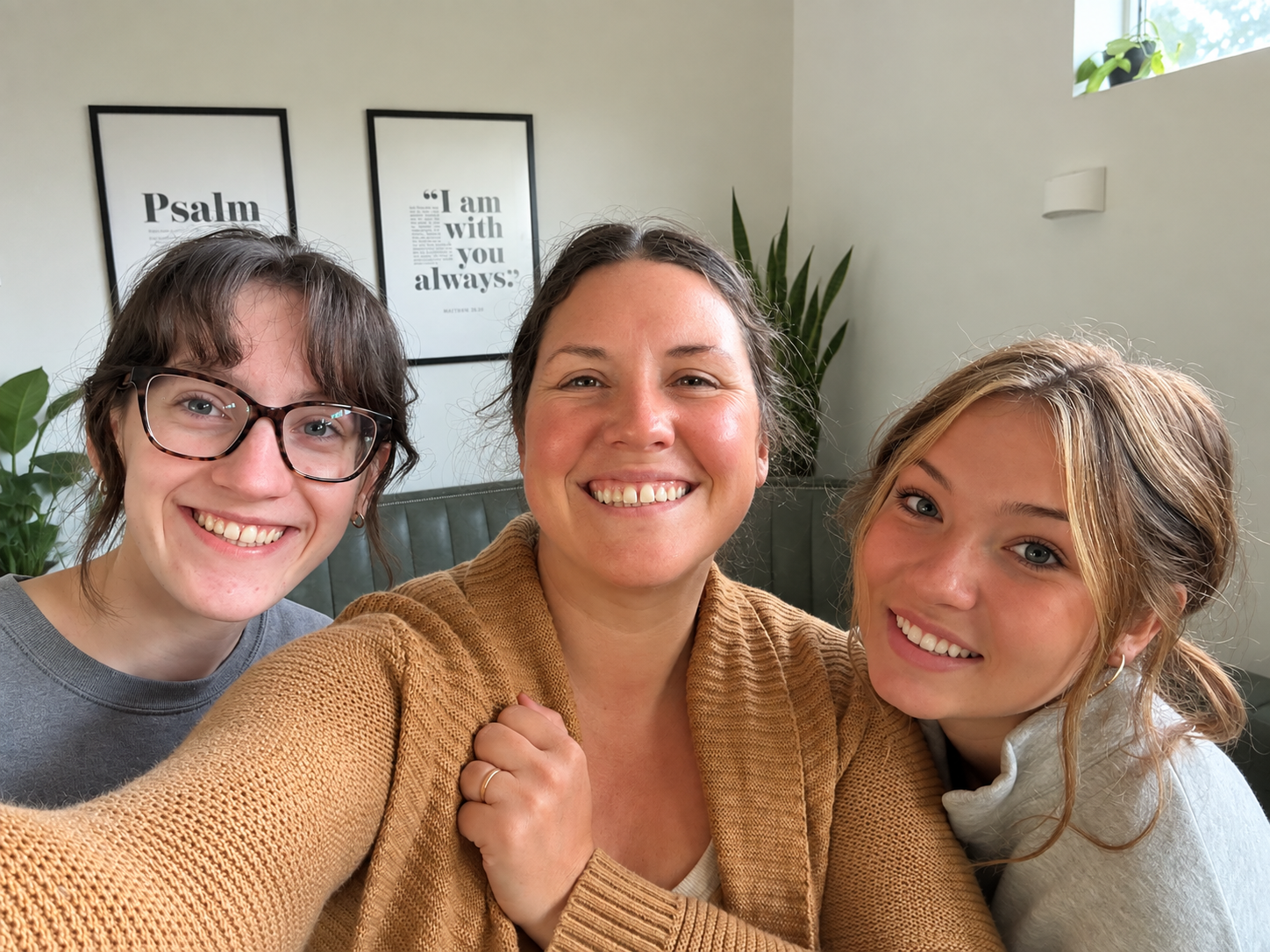
Mentor Megan Ssekabira (center) with two students who are a part of her discipleship group.
What Our Mentors Are Seeing
Early reports from our mentors are encouraging.
Megan Ssekabira noted that the liturgy "creates a calm atmosphere that reminds us faith is a daily set of practices, and a walk with God."
Deb Nava described students tackling Scripture "in a low-pressure environment where real life situations come up," and being met with honesty, vulnerability, and plenty of laughter.
Tim Sherrod thought there might be some pushback from upperclassmen about the new format. Instead, he found the first meeting genuine and vulnerable, with everyone participating. He also appreciated sharing his own areas of obedience and resistance alongside the students.
And Walt Reynolds noticed a turning point in his second meeting: his mentees stopped answering questions to him and started responding to one another, offering encouragement about each other's strengths and weaknesses.
"We are developing a dynamic of trust and transparency," he said, "and it is helping relieve burdens."
That's the goal. Students who know one another, who are known, and who are learning to walk with God together.
Please join me in praying for these groups this semester. Pray for our mentors as they lead, and for our students as they open their lives to God's Word and to one another.