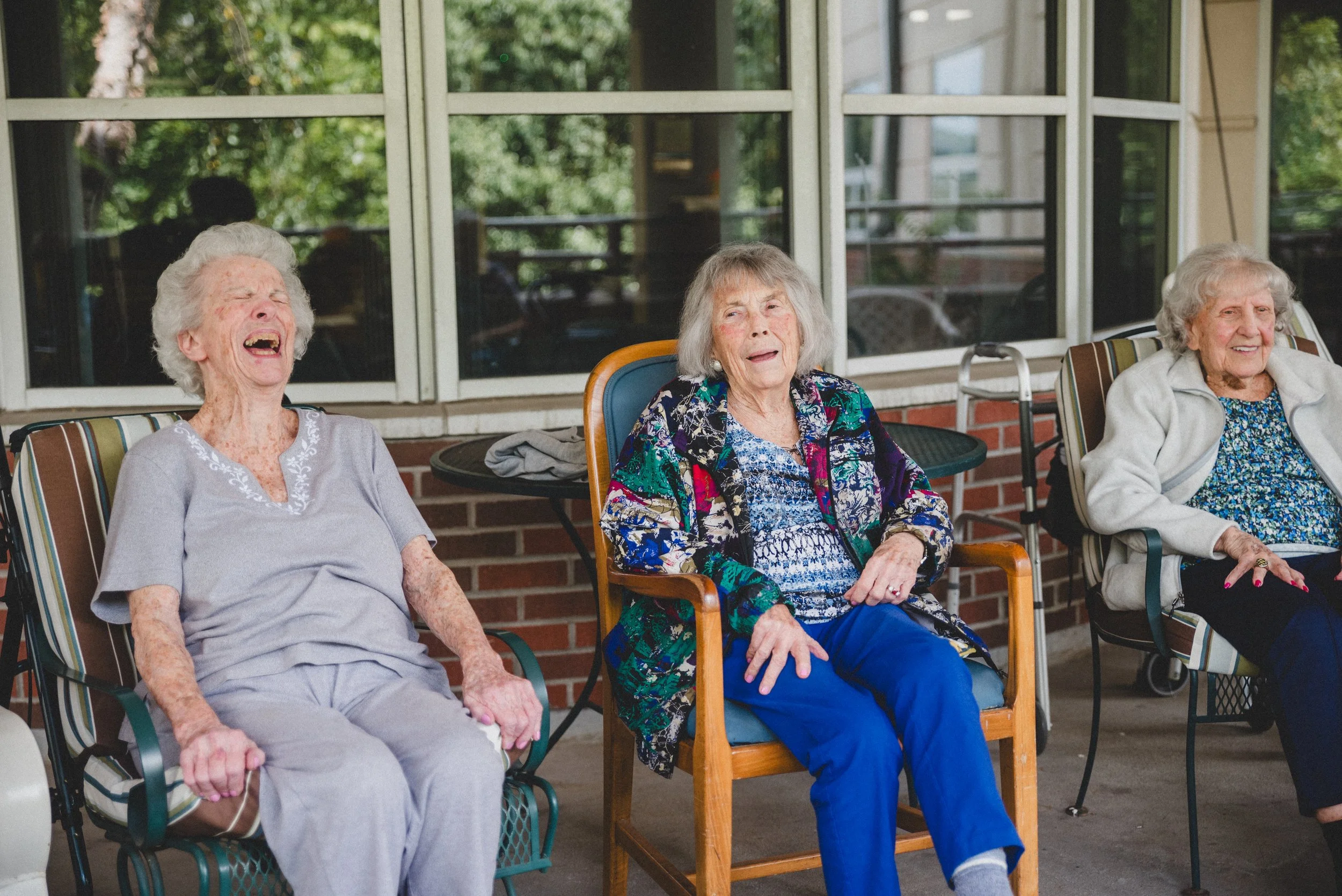
Each week, NBC students set aside time to serve alongside local organizations meeting needs throughout Nashville. Through Ministry Projects, students work in small teams at places like after-school programs, food banks, and retirement communities. These ongoing opportunities allow students to build relationships, gain practical experience, and put their biblical education into practice through service to others.
By Emma Pierce, FreshmanOne of my favorite things about being a student at Nashville Bible College is the opportunity we have every week to go out into the Nashville area and serve people in various ways. As someone who was interested in finding volunteer work in elderly care, NBC’s ministry projects opened my eyes to what organizations are out there and how I can be part of the amazing work they are doing.
McKendree is one retirement community nearby where our students have facilitated mini golf, bowling, lots of bingo, manicures, servign residents through socialization, sometimes cleaning or recreation, and tech assistance.
This year, I have been part of a small team of students serving at a local retirement home. We spend two hours each week with the residents, simply providing companionship and good conversation or doing puzzles and games. We have been working on putting together fun activities such as Jeopardy, mini golf, and different crafts, but most of the time we are simply visiting.
I remember being a little nervous for my first day. I knew there would be some challenges that come along with serving those in memory care, and I wanted to be able to serve each resident well in whatever way they needed, even if conversation was hard.
How can I help someone feel seen and cared for when I’m just an unfamiliar face and I only have a couple of hours to spend with them?
Since then, I have learned some important lessons about elderly care ministry and how I can take action to make others feel welcome in any environment.
Embrace the Awkwardness
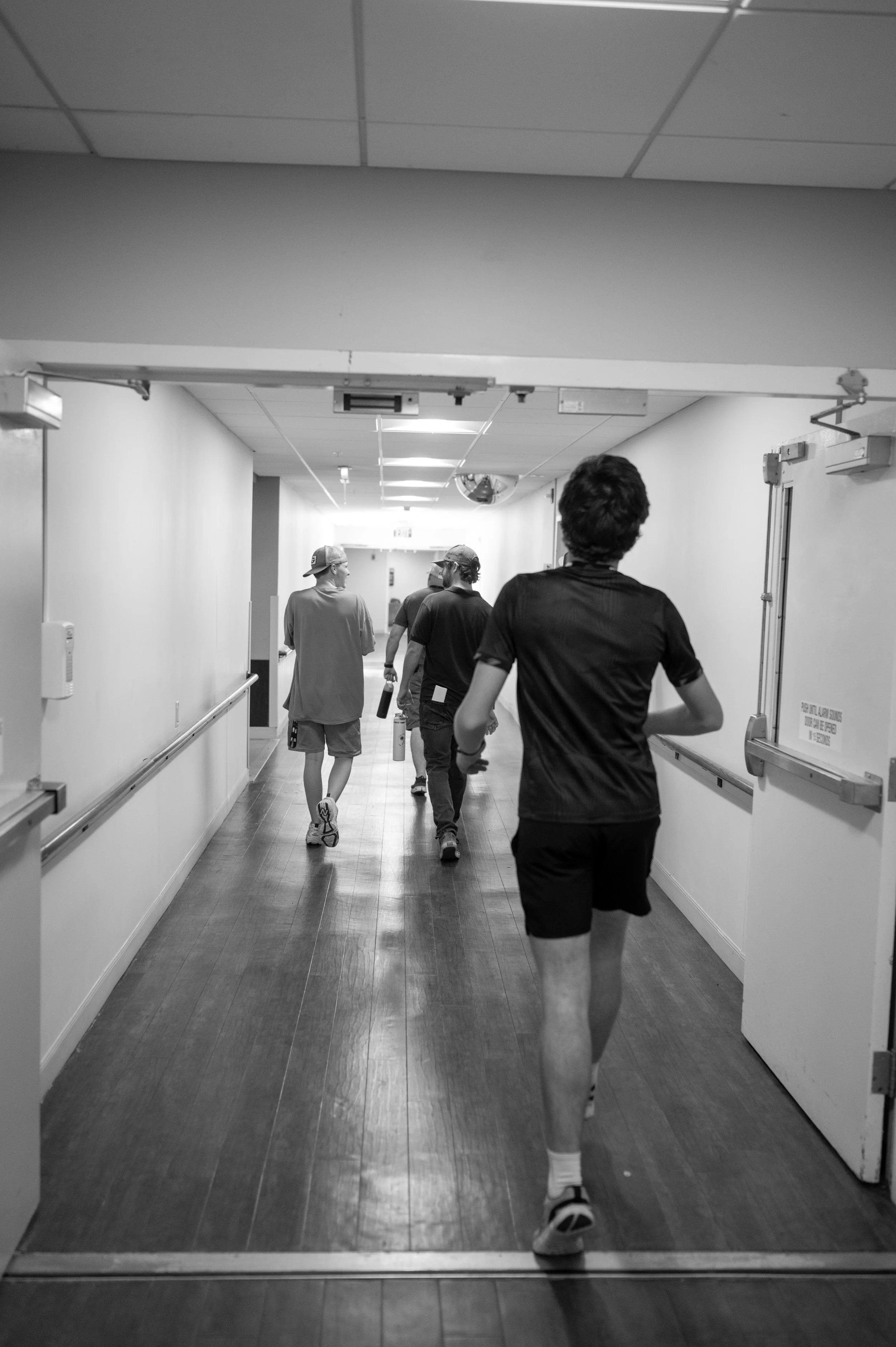
That anxiety I was feeling when I started out was mostly a fear of saying or doing the wrong thing, or of not having a clue what to say and getting stuck in awkward silence.
With the memory care residents I have spent time with, conversation actually came a lot more easily than I expected, although at times it was hard to understand each other. Sometimes the topic will switch mid-sentence, or they will say something that catches me off guard, or they will repeat themselves. I learned how to take the unexpected in stride and respond without becoming flustered or confused.
This practice has been helpful in everyday ministry as well. I am sure I’m not the only one who avoids potential awkwardness, but being able to embrace it while getting to know someone new, or even while comforting a grieving stranger, allows me to better serve those around me.
Let Them Do Most of the Talking
This was actually one of the concepts we studied in Professional Skills, and for good reason.
If you aim to make someone feel like you are interested in them and want to know what they have to say, you don’t do it by spending the entire conversation talking. You do it by listening. You do it by asking specific questions and asking follow-up questions.
At McKendree, the residents we meet are so happy to visit and share stories that all we really need to provide are our ears and our smiles. Seeing their smiles is the best!
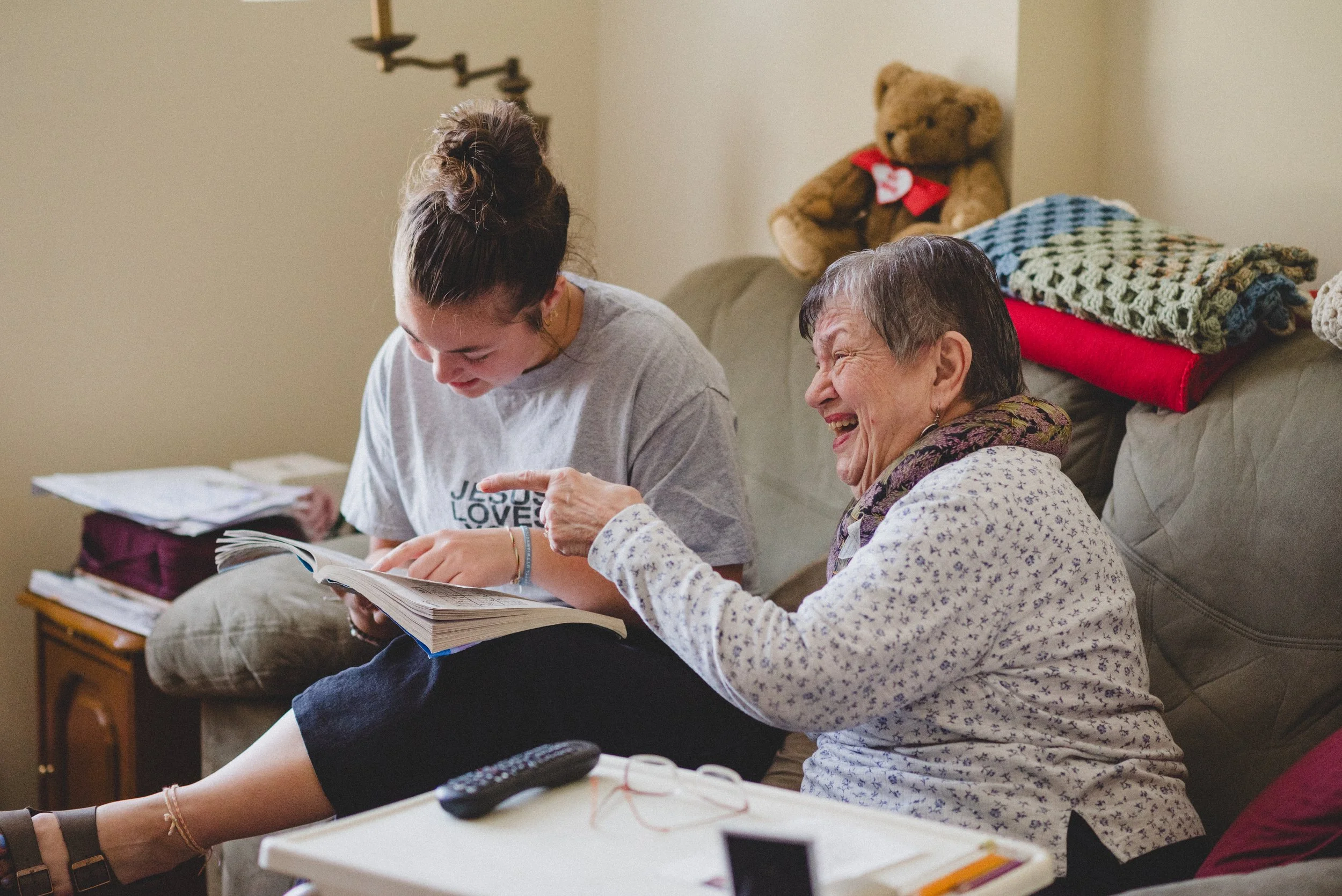
McKendree Village is one of several retirement communities in the nearby proximity to NBC. As a result, our students have spent many hours getting to know their elderly neighbors.
Sometimes, Being There Is Enough
There are times, however, when someone becomes scared and confused.
I remember one Sunday evening I was sitting on the couch with one of the residents just talking about lunch, and all of a sudden she started looking around, lost and a little panicked.
She said, “Who are all these people? I don’t recognize this place. I don’t know any of these people. What are they doing here?”
At first, I tried to explain where she was, but she could not understand, and she became so anxious that tears formed. She kept saying, “I don’t know them. I don’t know any of them.”
I wasn’t sure what else to do, so I gave her arm a squeeze and said, “You know me, though!”
She immediately relaxed, even smiled a little, and said, “Well, praise God!”
Moments like these have taught me that sometimes the best comfort I can give someone does not require any grand gesture or a lot of wise words—just a steady presence that tells them they are not alone.
Being able to serve in this way, and to hear stories from those who have lived entire lives before I ever came into the world, has been a precious learning experience. It has given me confidence to explore future volunteer opportunities wherever the Lord may lead me!